Stop Calling It a Rivalry
When Dominance Replaces Drama in India vs Pakistan T20 Clashes

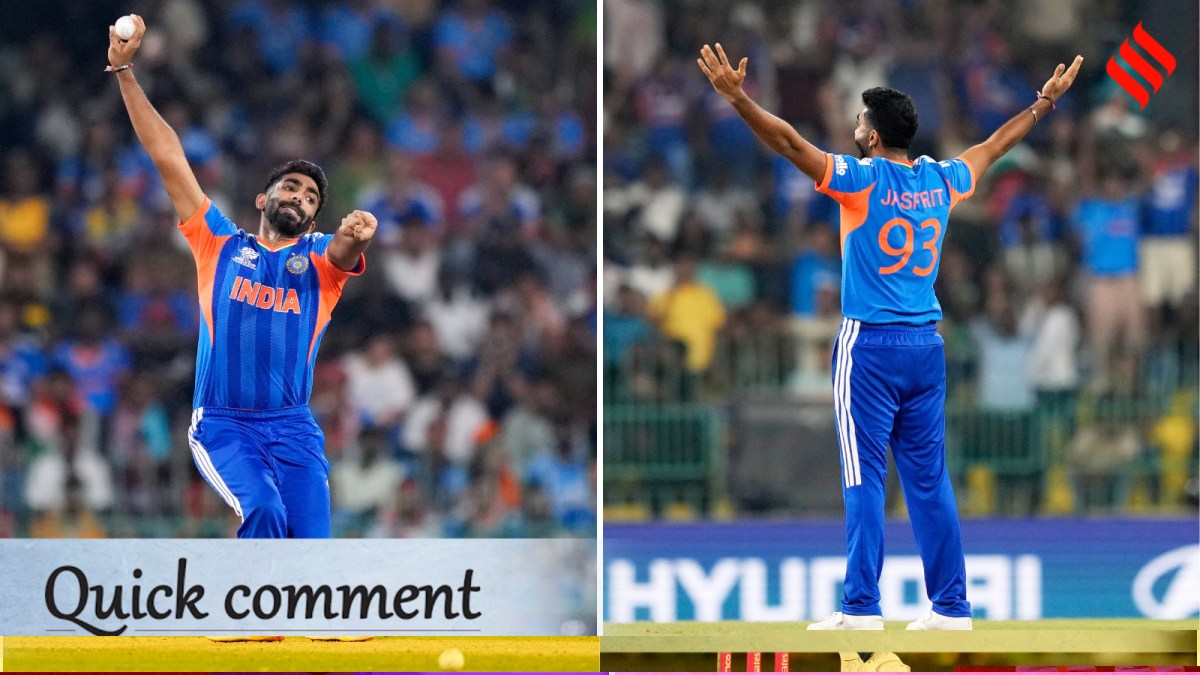


There was noise before the game. There was hype. There were bold statements about fearless cricket and spin-friendly conditions.
But once the contest began at the R Premadasa Stadium, the script felt eerily familiar.
India didn’t just beat Pakistan. They dismantled them. Again.
At some point, we have to ask a difficult question: Is this still a rivalry — or just a recurring mismatch wrapped in nostalgia?
Eight-One Isn’t a Coincidence
The Weight of Numbers in the T20 World Cup
With this latest result, India’s head-to-head in the ICC T20 World Cup now reads 8-1 in their favour. That’s not a blip. That’s not luck. That’s structural dominance.
Much like seven of the previous eight meetings, this match tilted heavily in India’s direction after the first few overs. The pre-match narrative about Pakistan thriving in Colombo’s spin-friendly conditions evaporated within minutes.
The truth? India look better prepared, better composed, and tactically sharper in this format. Pakistan, meanwhile, often look reactive.
That gap isn’t emotional. It’s technical.
The Illusion of “Fearless Cricket”
Bold Talk, Fragile Execution
Pakistan captain Salman Ali Agha spoke about playing aggressive, fearless cricket. In theory, that’s the modern T20 mantra.
In practice, it unraveled fast.
13 for 3.
Inside five overs.
The dismissal of Salman himself — an ill-judged stroke under pressure — wasn’t just a wicket. It symbolised a team caught between intent and awareness. Playing aggressively is not the same as playing intelligently. Against an attack featuring bowlers like Jasprit Bumrah, recklessness is punished mercilessly.
And punished it was.
Ishan Kishan’s Statement Knock
Composure Amid Collapse
If Pakistan’s innings was chaotic, India’s was measured — even when momentum dipped.
Ishan Kishan didn’t just score 77. He controlled phases. He neutralised spin. He rotated strike. He attacked selectively. That distinction matters.
India were briefly pegged back in the middle overs. There were mini-wobbles. But there was never panic.
That’s the difference.
A rivalry thrives on tension — on uncertainty. This game never truly felt uncertain.
What Happened to Pakistan’s Big Names?
Experience Without Impact
All eyes were on Babar Azam — the man who once orchestrated Pakistan’s famous 10-wicket win over India in 2021.
This time? Five runs.
Not just the score, but the manner of dismissal — a low-percentage slog against spin — reflected a broader issue. Pakistan’s experienced core hasn’t consistently adapted to evolving T20 demands. The format rewards clarity and role definition. Too often, Pakistan look caught between rebuilding and reputation management.
That tension shows in high-pressure games.
When Hype Outpaces Reality
Let’s be honest: India vs Pakistan will always carry political, emotional, and historical weight. The stadium will fill. Television ratings will soar. Social media will erupt.
But pure cricketing rivalry demands competitiveness.
And lately, that has been missing.
India’s victory margins aren’t narrow escapes. They’re comfortable assertions. The bowling attacks don’t just defend totals — they suffocate chases. Pakistan’s collapses aren’t dramatic final-over heartbreaks; they’re early implosions.
That’s not theatre. That’s imbalance.
Structural Superiority or Mental Block?
This is where the conversation gets uncomfortable.
Is Pakistan technically behind? Or psychologically burdened?
Because on paper, the talent exists. The bowling isn’t weak. The batting isn’t devoid of ability. But under tournament pressure — especially against India — decision-making deteriorates rapidly.
Contrast that with India’s approach. Under the leadership of Suryakumar Yadav, there’s clarity in role execution. Even when wickets fell — Abhishek Sharma early, Hardik Pandya cheaply — there was no sense of drift. Late cameos from Shivam Dube and Rinku Singh weren’t desperate swings. They were structured finishes.
That’s systems at work.
So… Should We Stop Hyping It?
Here’s the nuanced truth:
The rivalry still matters emotionally. It still defines cricketing calendars. It still commands global attention.
But competitively in T20 World Cups? It has become predictable.
And predictability is the enemy of rivalry.
If Pakistan want this fixture to regain its edge, the solution isn’t louder pre-match talk. It’s strategic recalibration — clarity in batting roles, adaptability against spin, and a mental reset against India.
Until that happens, every India-Pakistan clash risks feeling like an echo.
Same stage.
Same hype.
Same result.
The real question now isn’t whether India are dominant.
It’s whether Pakistan can close a gap that looks less emotional — and increasingly structural.


Comments
Post a Comment