Spin Shadows Over Colombo: Are India’s Batting Cracks About to Widen?
Two wins, yes — but are the warning signs louder than the scorecards suggest?


India have done what champions are supposed to do — win. Two matches, two victories. On paper, it looks smooth. But scratch beneath the surface, and this T20 World Cup campaign feels oddly fragile.
Half-centuries from Suryakumar Yadav, Ishan Kishan, and Hardik Pandya suggest solidity. Yet the swagger that dismantled South Africa and New Zealand in pre-tournament series seems muted. India aren’t dominating — they’re surviving patches of chaos.
And in tournaments like this, survival without control can be a dangerous habit.
The Mini-Collapses No One Can Ignore
When 77 for 6 isn’t just a blip
Against the United States, India stumbled to 77 for 6. Let that sink in. A world champion side, on home soil, wobbling against a team still finding its feet on the global stage.
Credit where it’s due — Shadley van Schalkwyk exploited the conditions brilliantly. But here’s the uncomfortable question: was that collapse more about his brilliance, or India’s vulnerability?
Van Schalkwyk isn’t a mystery spinner with a decade of IPL experience. He’s a seasoned but modestly credentialed campaigner who seized an opportunity. If India’s top order can unravel under subtle variations of pace and discipline, what happens when faced with elite spin depth?
The Namibia game in Delhi amplified those doubts. A three-for-20 collapse in under five overs. Later, five wickets for four runs at the death — softened only because the damage had already been done to the opposition.
But collapses don’t care about context. They linger in memory.
Craft Over Turn: The Erasmus Lesson
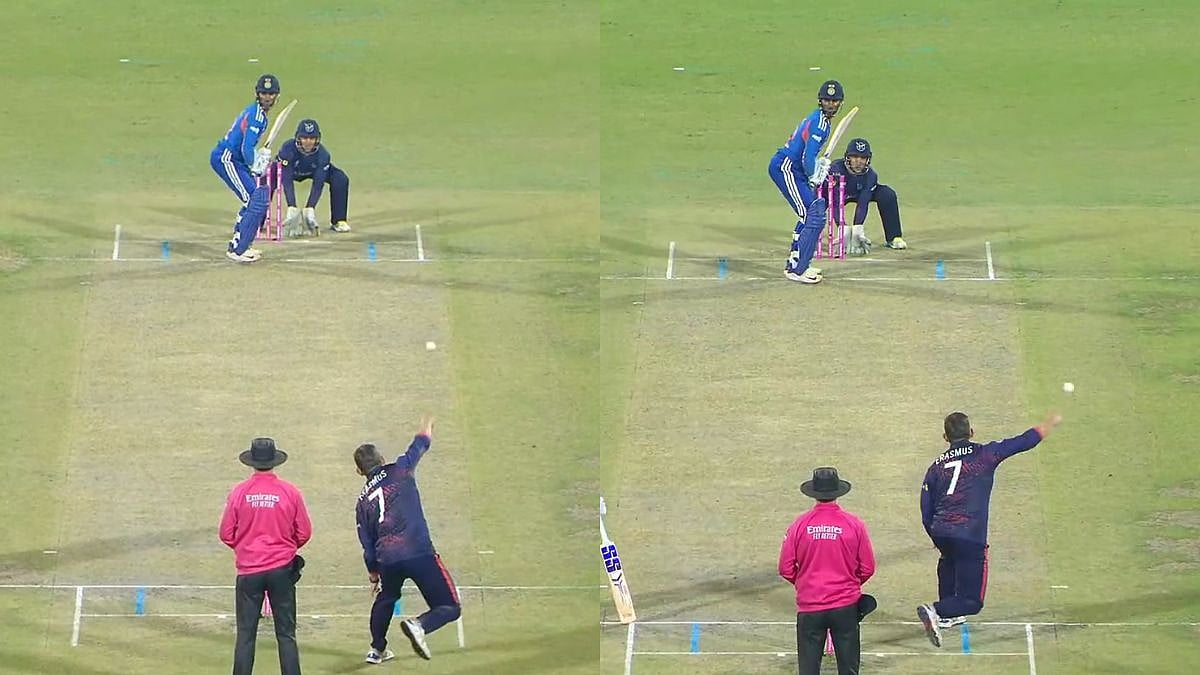
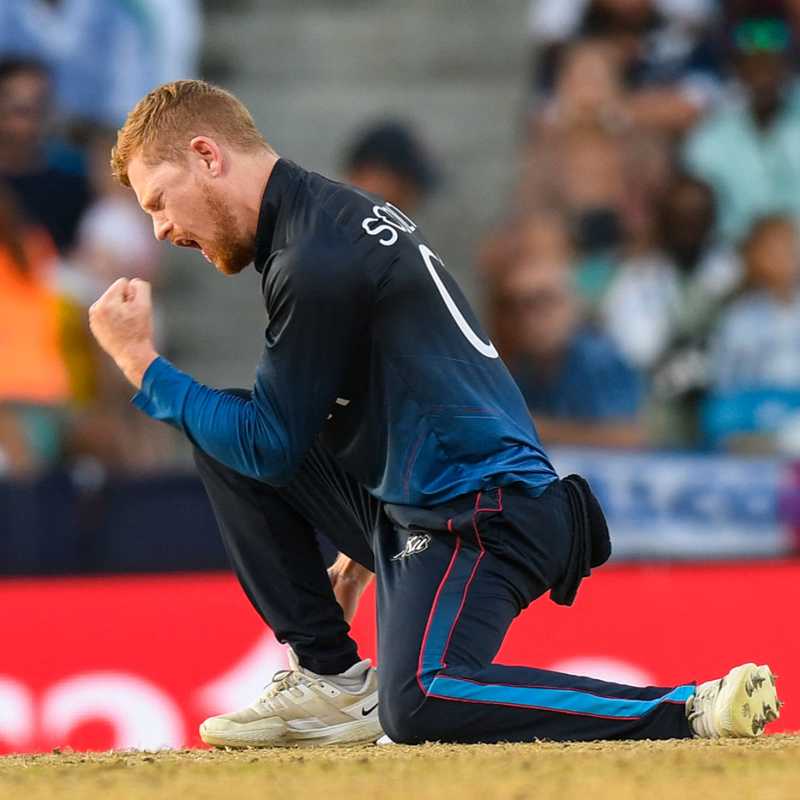


When Gerhard Erasmus and Bernard Scholtz combined to choke India, it wasn’t through extravagant turn. It was intelligence, angles, disruption.
Erasmus’ slinging action — reminiscent of street cricket unpredictability — and his occasional long-ball variation rattled rhythm. Rod Tucker even called one such delivery dead ball. But the disruption worked.
Here lies the deeper concern: India weren’t undone by world-class spin wizardry. They were unsettled by innovation and craft.
Is that a technical flaw? Or a mental one?
Because if variety alone causes confusion, the next challenge may be far sterner.
Premadasa: Where Spin Is a Weapon, Not a Surprise


The R. Premadasa Stadium isn’t just another venue. It’s a chessboard for spinners. And Pakistan arrive armed.
Two leg-spinners — Shadab Khan and Abrar Ahmed.
A classical off-spinner — Saim Ayub.
Left-arm orthodox — Mohammad Nawaz.
And the wildcard — Usman Tariq, with his pause-and-sling action that already sparks curiosity and debate.
Five spinners. Seven wickets in one outing there. That isn’t coincidence — it’s strategy aligned with conditions.
If Namibia’s relatively modest spin resources caused tremors, what might a five-pronged, specialist unit achieve on a surface that amplifies their craft?
The Psychological Edge Pakistan Might Hold
Here’s what makes this clash more intriguing — and concerning from India’s lens.
Neither the United States nor Namibia had the belief to press their advantage fully. Pakistan will.
Pakistan won’t panic at 60 for 3. They’ll tighten the net. They’ll rotate spin options relentlessly. They’ll force risk.
And India, based on early evidence, haven’t yet shown the ruthlessness or clarity against spin to dictate terms.
Is India over-reliant on individual brilliance rescuing collective instability?
Have aggressive batting philosophies left them slightly underprepared for attritional spin battles?
Or is this simply early-tournament rust that will vanish under pressure?
Nuance Over Panic — But Complacency Is Risky
To be clear: India are still formidable. Depth, power, experience — it’s all there. A batting unit capable of posting 200-plus totals cannot be dismissed lightly.
But the margins in T20 cricket are brutal. Small vulnerabilities become fatal flaws under sustained pressure.
Colombo won’t offer flat comfort. It will ask uncomfortable questions.
About footwork.
About patience.
About temperament.
Two wins have kept the campaign intact. Yet this feels like a defining fork in the road. Either India recalibrate, adapt, and reassert their dominance against spin — or the narrative shifts from “champions defending” to “champions exposed.”
Sunday in Colombo won’t just test technique.
It will test whether those mini-collapses were harmless tremors — or early warnings of a deeper fault line.


Comments
Post a Comment