Process Over Panic? Rahul Dravid’s Advice Sounds Simple — But Is It Enough?
Calm Words Before a Storm
When Rahul Dravid speaks about ICC tournaments, India listens.
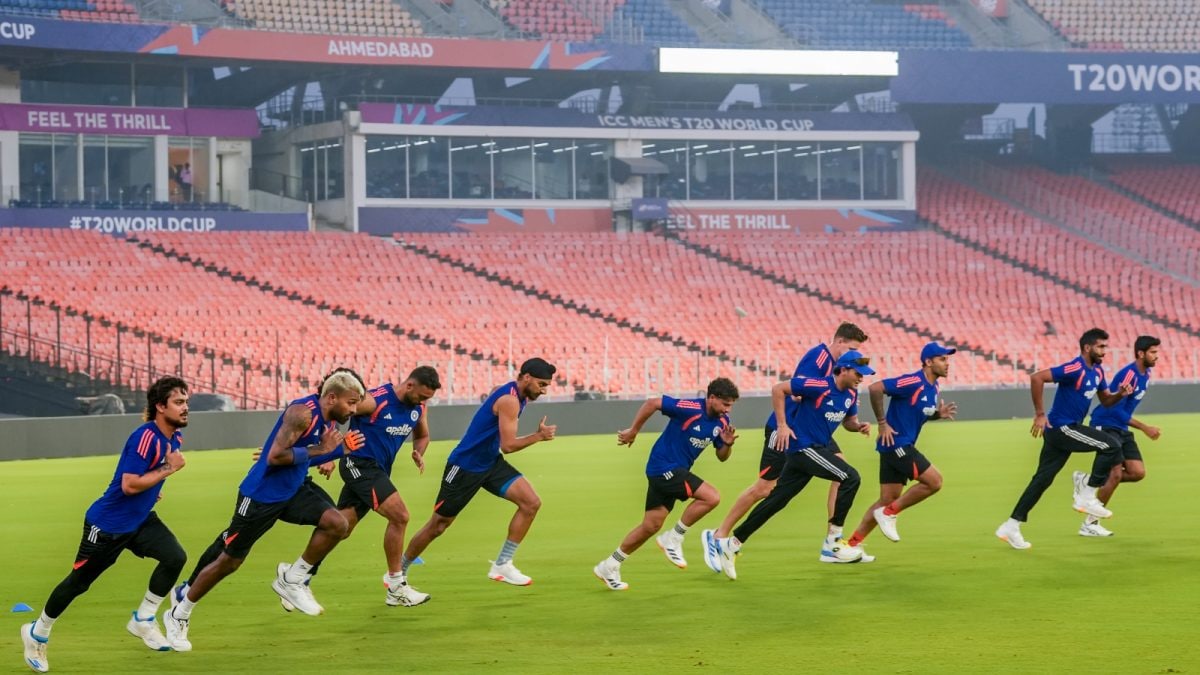
He may not have lifted a World Cup as a player, but he stood at the helm when India conquered the T20 world in 2024. That alone gives his voice weight — especially ahead of a tense Super 8 opener against South Africa national cricket team in Ahmedabad.
His message? Stick to the process. Trust the depth. Accept the volatility of T20 cricket. Hope for the best.
It sounds composed. Sensible. Almost reassuring.
But in a format defined by chaos, is calm philosophy enough?

“Stick to the Process” — A Safe Mantra or a Risky Comfort?
Dravid emphasised that India are not reliant on one or two individuals. The squad, he said, carries depth — the kind of depth that should absorb shocks.
He isn’t wrong.
India’s bench strength is enviable. Their batting order can recover from collapses. Their bowling attack has variety. On paper, they look insulated against unpredictability.
Yet T20 World Cups rarely reward paper strength alone.
Zimbabwe stunned Australia. Associate nations pushed heavyweights to the brink. The USA rattled India’s top and middle order before a rescue act stabilised the innings. Pakistan nearly fell to the Netherlands.
The lesson? Depth helps. It doesn’t guarantee.
Volatility doesn’t disappear because you plan well. Sometimes, it punishes you precisely when you feel secure.
The Zimbabwe Factor: Romantic Story or Strategic Reality?



Dravid even floated a dream scenario — India facing Zimbabwe in the final. A romantic vision. A celebration of cricket’s expanding map.
And there’s truth in his admiration. Associate teams have elevated this tournament. They’ve brought unpredictability, fearless cricket, and a reminder that global talent is spreading fast.
But romance can be deceptive.
For giants like India, associate success isn’t just heartwarming — it’s alarming. It signals shrinking gaps. It signals that “process” alone won’t protect reputations.
If smaller nations can topple established champions, then established champions must evolve faster than ever.
The Hidden Pressure on Suryakumar’s Men
Suryakumar Yadav leads a team that carries enormous expectation. India haven’t won every ICC event, but they are always favourites. That status brings weight.
Dravid’s advice to accept T20’s randomness is honest — perhaps even refreshing.
But here lies the uncomfortable nuance:
Accepting volatility and mastering it are two different things.
A team can “stick to the process” and still get tactically outmanoeuvred. Conditions change. Matchups shift. Momentum swings violently. The most successful T20 sides don’t just trust systems — they adapt mid-game.
Process is a foundation. Not a shield.
The Depth Argument — Strength or Overconfidence?
Dravid highlighted India’s squad depth as a competitive advantage. And historically, depth has been India’s backbone in white-ball tournaments.
But depth creates a subtle trap: the assumption that someone will always step up.
That safety net can breed hesitation in decision-making. It can delay bold tactical calls. It can encourage patience when urgency is required.
In a Super 8 format where two losses can collapse semifinal hopes, depth must translate into decisive execution — not quiet belief.
The South Africa Reality
Facing South Africa in the Super 8 opener is no casual beginning. They’re disciplined, tactically sharp, and comfortable under pressure.
If India begin cautiously under the banner of “process,” they risk conceding early initiative.
If they chase aggression without clarity, volatility could bite.
This is where Dravid’s philosophy will truly be tested — not in press conferences, but in moments where one over changes everything.
The Bigger Question: Can Process Survive Chaos?
The 2026 T20 World Cup has already revealed one truth: unpredictability is no longer a subplot — it’s the central theme.
Associate nations are fearless. Established powers are vulnerable. Rain interruptions, collapses, and upsets have blurred hierarchies.
In such a climate, “hope for the best” feels dangerously passive.
India must do more than trust their blueprint. They must refine it mid-tournament. They must read surfaces quicker. Rotate resources smarter. Identify matchups ruthlessly.
Process brought them a title in 2024.
But repeating success requires evolution — not replication.
A Dream Final — But First, a Reality Check
An India vs Zimbabwe final would be poetic. It would validate cricket’s global growth and reward fearlessness.
Yet before dreaming of finals, India must navigate the harsh arithmetic of Super 8 cricket.
Dravid’s wisdom is grounded. His perspective is earned. His message promotes calm in a stormy format.
Still, calm alone doesn’t lift trophies.
In T20 cricket, belief must move at the speed of adaptation.
And the true test for India begins not in philosophy — but in execution.


Comments
Post a Comment