🌧️ If Rain Wins the Biggest Match: What a Washed-Out India vs Pakistan Clash Really Means
When Hype Meets the Monsoon
For months, the calendar has circled one date: India vs Pakistan at the R Premadasa Stadium in Colombo. The emotional voltage. The television numbers. The social media noise. Everything about this fixture screams “event.”
And yet, there’s an uncomfortable possibility hanging over it — rain.
Weather models suggest a strong chance of showers on match day. The evening might offer relief, but interruptions are more than likely. And that raises a bigger question: what happens when the sport’s most marketable rivalry meets something it can’t control?
Because here’s the reality — in the group stage of the 2026 T20 World Cup, there is no reserve day.
If rain refuses to cooperate, the points are split. One each. No contest. No climax.
And for a rivalry built on narrative and dominance, that feels… anticlimactic.
📍 The Stage: R. Premadasa Stadium
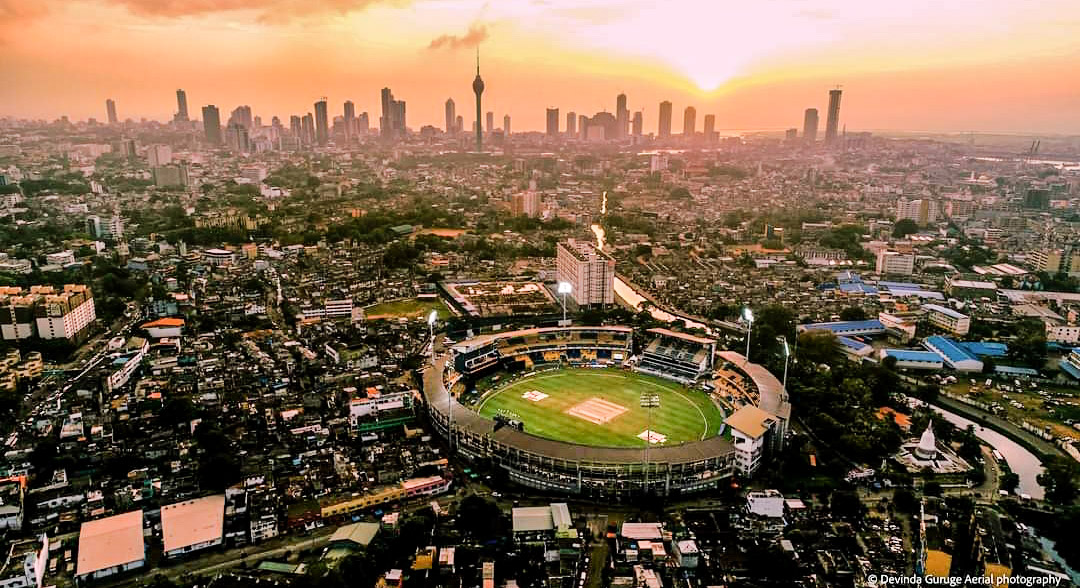


Colombo is no stranger to dramatic weather shifts. And ironically, one of cricket’s biggest commercial centrepieces is now at the mercy of it.
This isn’t just any group match. For the fifth consecutive T20 World Cup edition, India and Pakistan meet early in the tournament. Historically, India have dominated this rivalry at the event — seven wins in eight encounters.
On paper, momentum is aligned too.
India survived a tricky opener against USA.
Then cruised past Namibia.
Pakistan edged past Netherlands.
Followed by a solid win over USA.
Both teams arrive confident. Both teams arrive cautious. And both teams may not even get a proper contest.
⏳ The Rulebook: What Actually Happens If It Rains?
Let’s decode this calmly.
Match start: 7:00 PM IST
Final cut-off (including 60-minute buffer): 11:10 PM
Minimum overs per side (group stage): 5 overs
No reserve day.
If both teams don’t get at least five overs to bat, the match is declared a No Result.
In knockouts, the requirement increases to 10 overs per side. But this is the group stage. No safety net.
Which means the tournament’s most anticipated clash could end in statistical neutrality.
And that’s where the discomfort begins.
🎭 More Than Cricket: The Commercial Domino Effect
Let’s not pretend this fixture is just about cricket.
Broadcasters build advertising slots around this one match. Brands plan campaigns months in advance. Stadium ticket sales hinge on it. Local boards depend on its financial ripple effect.
A washout doesn’t just dent scoreboard drama — it dents revenue models.
Sri Lanka Cricket could face ticket refund obligations. Broadcasters risk losing prime-time ad value. Sponsors lose eyeball guarantees.
When a single group-stage game carries this much financial weight, maybe the tournament structure deserves scrutiny.
Should there be a reserve day for high-risk, high-stakes matches like this?
Or is the ICC comfortable gambling on weather when the commercial stakes are this enormous?
🧠 The Competitive Angle Nobody Wants to Admit
Now comes the slightly uncomfortable perspective.
If rain washes this out, who benefits?
India historically dominate Pakistan in T20 World Cups. Pakistan, on the other hand, would avoid a psychological battle that history doesn’t favour.
A shared point might subtly reshape Group A standings. Momentum pauses. Narrative pauses.
And suddenly, dominance remains theoretical instead of proven.
That’s the strange thing about no-results — they freeze perception. No victory. No failure. Just uncertainty.
But is that healthy for a rivalry that thrives on clarity?
🌧️ Bigger Question: Is the Format Too Rigid?
Here’s where the critical lens sharpens.
In an era where data modelling predicts weather probabilities days in advance, should scheduling still rely on optimism?
We’re not talking about fringe fixtures. This is arguably the most commercially valuable group-stage match in global cricket.
No reserve day may make logistical sense. But strategically? It feels outdated.
Football tournaments build contingency time. Tennis Grand Slams factor weather realities. Even ICC knockouts get buffers.
Yet the marquee group-stage battle — the one everyone tunes in for — floats without a fallback.
Is that tradition? Or oversight?
📊 What Happens If It’s Washed Out?
Simple:
Both teams get one point.
Net run rate remains untouched.
Group qualification calculations tighten.
Fans get no closure.
And for millions who block their evenings for this rivalry, that might sting more than defeat.
🔍 Final Thought: What Are We Really Risking?
If rain intervenes, it won’t just wash away 20 overs of cricket.
It will wash away:
Narrative tension.
Commercial momentum.
Psychological advantage.
And a rare sporting spectacle.
Cricket can’t control the weather. But it can control planning.
So maybe the real question isn’t whether it will rain in Colombo.
Maybe it’s this:
When the sport’s biggest rivalry hinges on five overs and a shrinking clock, are we protecting the game — or just hoping nature cooperates?
Because sometimes, a shared point isn’t neutral.
It’s unfinished business.


Comments
Post a Comment