Backing or Blind Faith? The Abhishek Sharma Gamble Before the South Africa Clash
Three Ducks. Eight Balls. One Growing Question.
Modern T20 cricket doesn’t wait. It doesn’t forgive. And it certainly doesn’t slow down for anyone trying to rediscover timing.
Yet here India are — heading into a high-pressure Super 8 fixture against South Africa — with Abhishek Sharma still searching for his first run of the tournament.
Three matches. Eight deliveries faced. Three ducks.
For a batter who symbolised India’s ultra-aggressive template post-2024, this isn’t just a lean patch. It’s a jarring contrast to the fearless image he helped build.
And the bigger issue? The team appears unwilling to even consider a reset.

The Narendra Modi Stadium Session: Encouragement or Alarm?
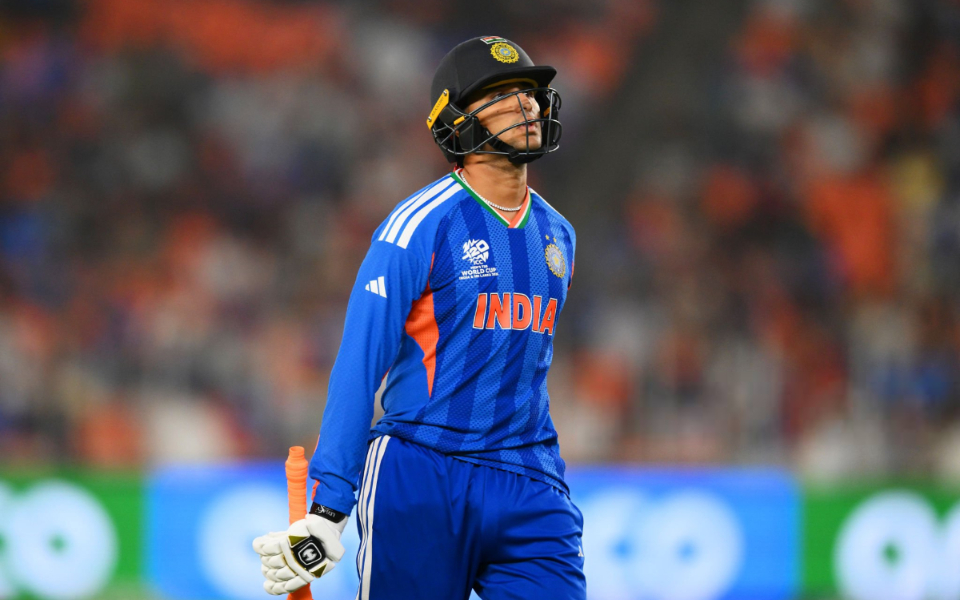


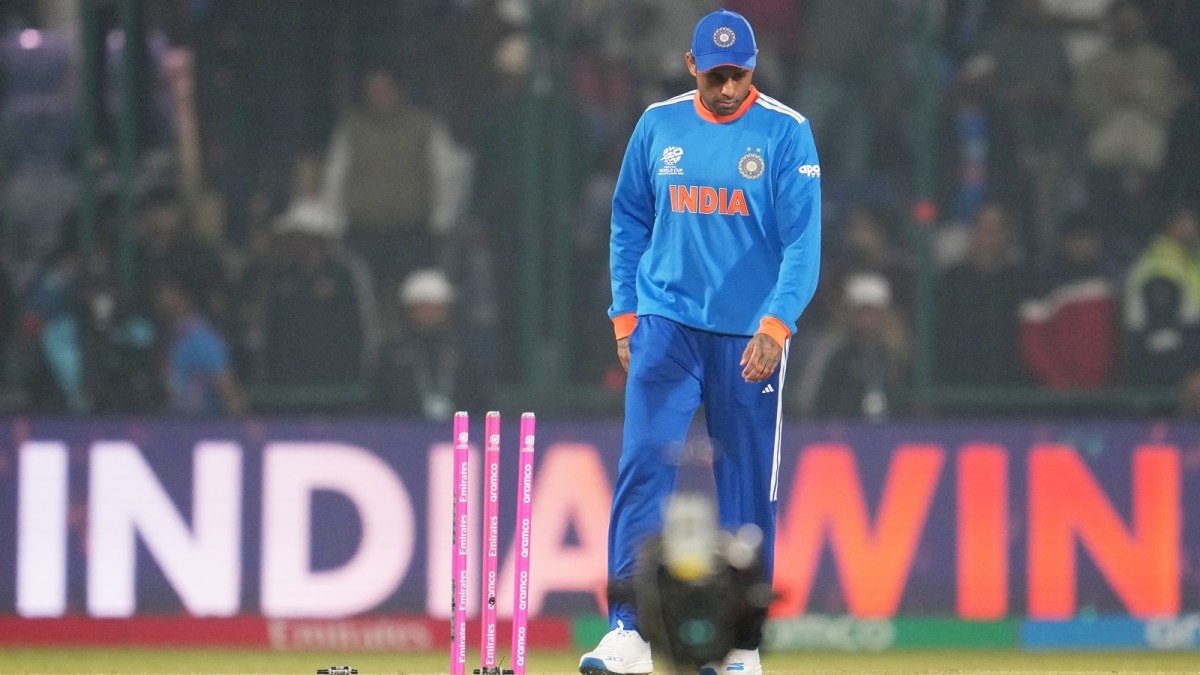
At the Narendra Modi Stadium in Ahmedabad, Abhishek’s first serious training session before the South Africa match became a spectacle in itself.
Head coach Gautam Gambhir.
Captain Suryakumar Yadav.
Support staff.
All eyes fixed on one net.
The attention underlined how central Abhishek remains to India’s batting blueprint. But here’s the uncomfortable detail: the session lasted just 20 minutes. While he middled a few shots, reports suggested he “didn’t look content” walking back.
That single phrase says more than any technical analysis could.
This isn’t just about form. It’s about feel. And in T20 cricket, feel is everything.
India’s Aggressive Template: Built on Risk
Abhishek wasn’t selected to bat safely. He was chosen to explode.
His “see ball, hit ball” philosophy has been central to India’s post-2024 transformation — a shift toward relentless powerplay aggression and strike rates brushing 200. It forced oppositions onto the back foot. It changed match equations within overs.
But the same template comes with volatility.
When it clicks, it looks revolutionary.
When it doesn’t, it looks reckless.
The question isn’t whether Abhishek can play this way. We’ve seen him dismantle world-class attacks. The real question is whether a global tournament is the right environment to persist with pure aggression when evidence suggests timing and confidence aren’t aligned.
Suryakumar’s Backing: Leadership or Emotional Shield?
Suryakumar’s defence was emphatic — almost dismissive of criticism.
He insisted the team would cover for Abhishek. That the left-hander just needs to play his natural game. That such phases are part of cricket.
It’s admirable leadership. It shows unity.
But unity cannot override context.
A T20 World Cup is not a bilateral series. There isn’t time for long rope experiments. Every game shifts the table. Every misfire compresses options.
If India continue to absorb early collapses hoping for a turnaround, they risk exposing the middle order repeatedly — and even a strong batting unit has a threshold.
Backing a player builds confidence.
Blind persistence can build pressure.
The South Africa Shadow
This isn’t just another group match.
India’s Super 8 opener against South Africa is a repeat of the 2024 final. Emotionally charged. Tactically complex. Psychologically heavy.
South Africa’s bowling attack thrives on early breakthroughs. If Abhishek falls cheaply again, the narrative won’t be about patience. It will be about predictability.
And predictability is deadly in T20 cricket.
The Sanju Samson Debate — A Distraction or a Legitimate Option?
Whispers about Sanju Samson replacing Abhishek were brushed aside quickly. Almost too quickly.
Competition for spots is not a sign of panic — it’s a sign of depth. The modern T20 ecosystem demands flexibility. Match-ups matter. Form matters. Conditions matter.
Ahmedabad’s surface can reward aggressive strokeplay — but it can also expose over-commitment.
Refusing to even entertain alternative combinations sends a subtle message: identity matters more than adaptability.
That’s a dangerous philosophy in a knockout-heavy format.
The Deeper Pattern
There’s a broader pattern emerging in India’s white-ball strategy.
High ceiling. High risk. Low middle ground.
It’s entertaining. It’s modern. It reflects confidence.
But in ICC events, sustained calm often outlasts bursts of chaos. Teams that modulate tempo survive longer than teams that swing exclusively for domination.
Abhishek’s current slump isn’t catastrophic yet.
But it is symbolic.
It reflects the fragile line India are walking between innovation and impatience.
The Real Dilemma
Should India bench a player who transformed their approach over the past 15 months?
Probably not immediately.
Should they ignore visible discomfort and shrinking returns in the name of loyalty?
Equally risky.
The coming South Africa clash may define more than Abhishek Sharma’s tournament. It may reveal whether India’s new T20 identity is adaptable — or stubborn.
Because in T20 World Cups, belief wins games.
But balance wins trophies.


Comments
Post a Comment