Seven Days at the Summit: When Rankings Expose Cricket’s Brutal Truth
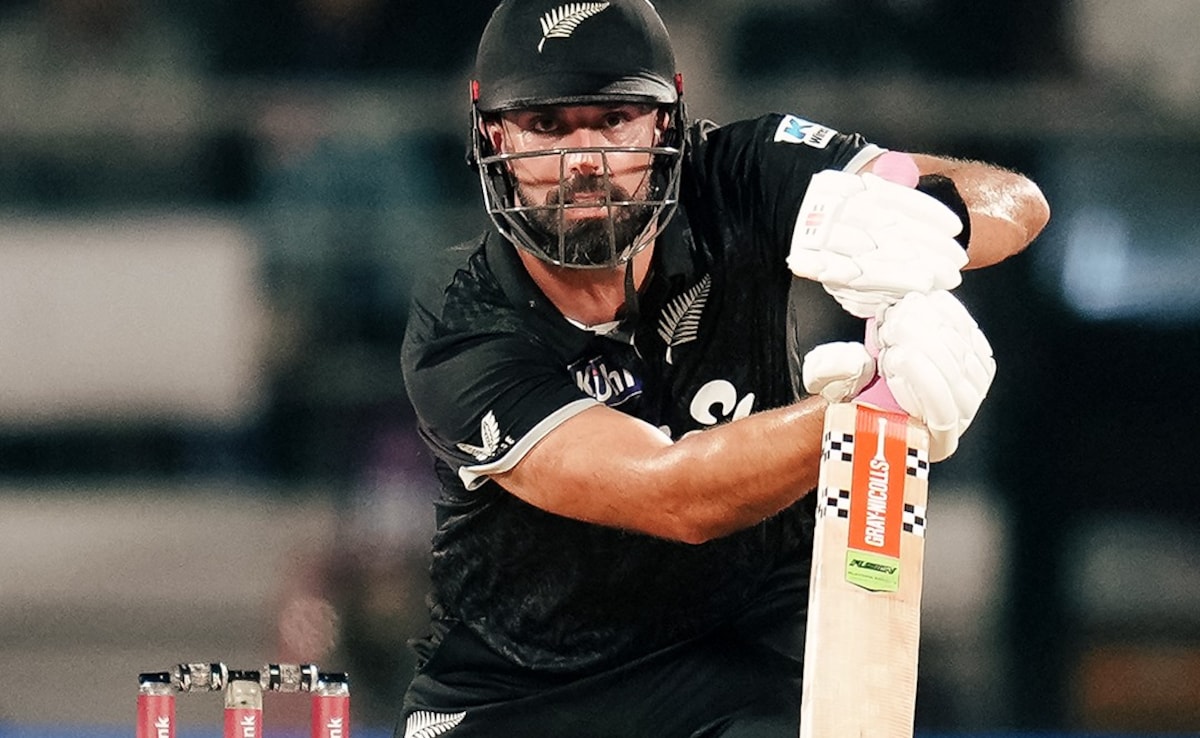
In modern cricket, staying at the top is often harder than getting there. Virat Kohli learned that the hard way as his return to the No.1 spot in the ICC Men’s ODI rankings lasted just a week. Seven days after reclaiming the crown, the throne was taken—not by a slump, but by an opponent who simply did it better when it mattered.
That opponent was Daryl Mitchell, whose India tour turned from competitive to historic, rewriting not just scorecards but the power dynamics of ODI batting supremacy.
A Comeback That Felt Symbolic, Not Secure
Kohli’s rise back to world No.1 was emotional. After four years of waiting, a fluent 93 against New Zealand felt like a statement—classic timing, control, and authority. For many fans, it seemed like order had been restored.
But rankings reward accumulation, not symbolism. And while Kohli was excellent, he wasn’t overwhelming.
The Mitchell Takeover India Didn’t See Coming
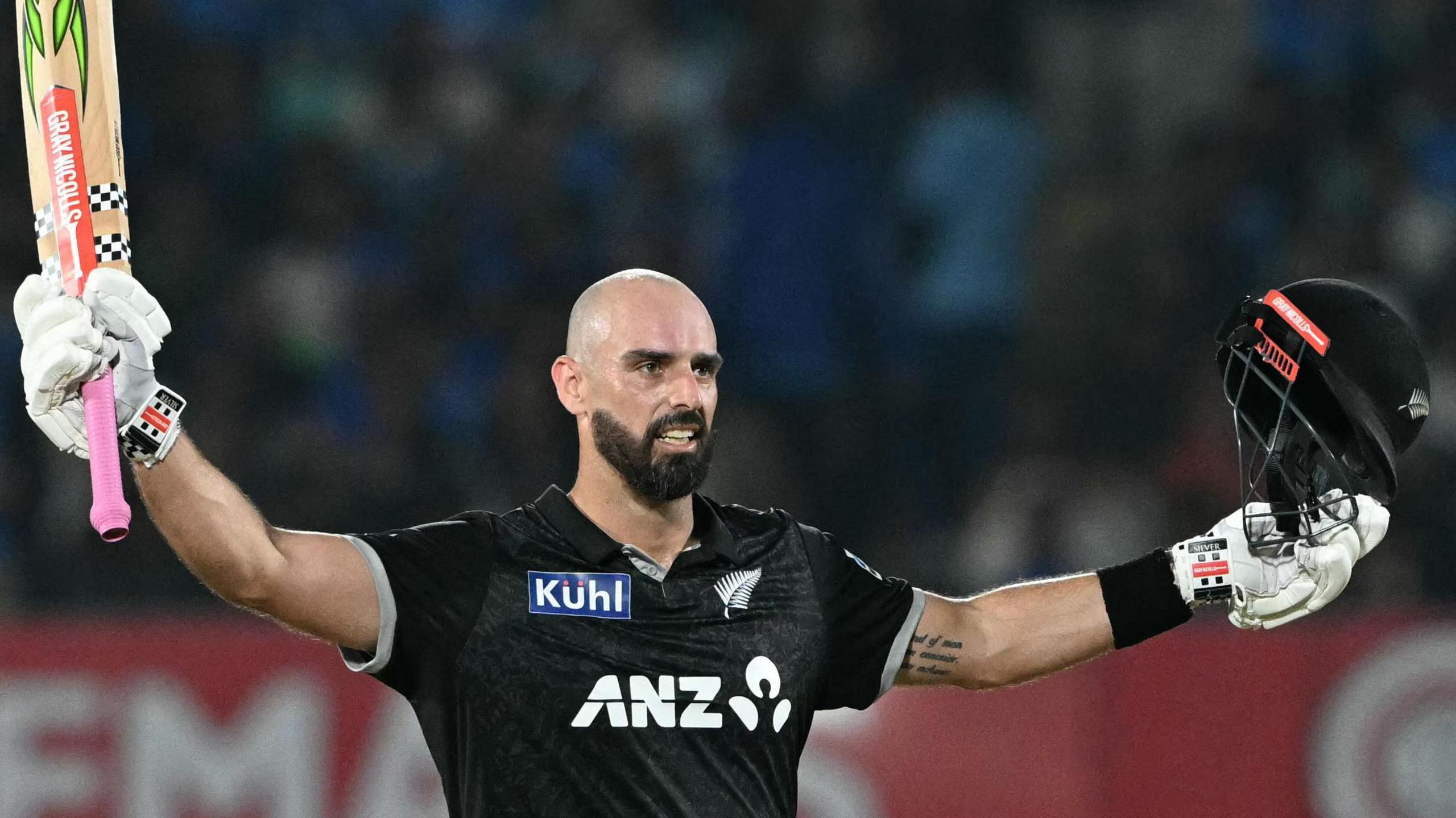
Mitchell didn’t just score runs—he dominated. Across three ODIs, he piled up 352 runs, including two back-to-back 130-plus scores. Those numbers aren’t just impressive; they are historically rare. Only Babar Azam and Shubman Gill have bettered that tally in a three-match ODI series.
And crucially, Mitchell did it in India—against India—under pressure, with the series on the line.
When Individual Brilliance Decides Collective Outcomes
The decider in Indore summed up the contrast perfectly. Kohli’s 124 was brave, technically sound, and full of resistance. But Mitchell’s 137 was commanding. One innings kept India competitive; the other won New Zealand the match and the series—their first-ever bilateral ODI series victory on Indian soil.
That distinction matters. Rankings don’t judge aesthetics. They reward impact.
The Uncomfortable Reality for Kohli Fans
Here’s the part many don’t want to admit: Kohli didn’t lose No.1 because he failed. He lost it because someone else peaked harder.
Yet this also exposes a subtle shift. Kohli’s brilliance today often comes in isolated moments rather than extended dominance. The gap between “great innings” and “series-defining authority” is where modern rankings are decided—and where Mitchell currently stands taller.
Rankings Reflect Form, Not Legacy
Mitchell now leads the ODI batting charts with 845 points, a full 50 ahead of Kohli. The chasing pack—Rohit Sharma, Gill, Ibrahim Zadran, and Babar Azam—are distant observers for now.
This isn’t a verdict on greatness. Kohli’s legacy is untouchable. But rankings are cold, transactional, and ruthless. They don’t remember past dominance. They measure now.
A Seven-Day Reign That Says More Than It Seems
Kohli’s brief stay at No.1 wasn’t a failure—it was a reminder. In today’s cricket, staying on top requires relentless output, not emotional highs. Mitchell offered that. Kohli, for all his class, offered flashes.
As ODIs evolve into a format where every series reshapes narratives, even legends get little margin for error.
Seven days at the summit isn’t embarrassing.
But it is revealing.


Comments
Post a Comment