Dropped Today, Captain Tomorrow? The Gill Call That Raises More Questions Than Answers
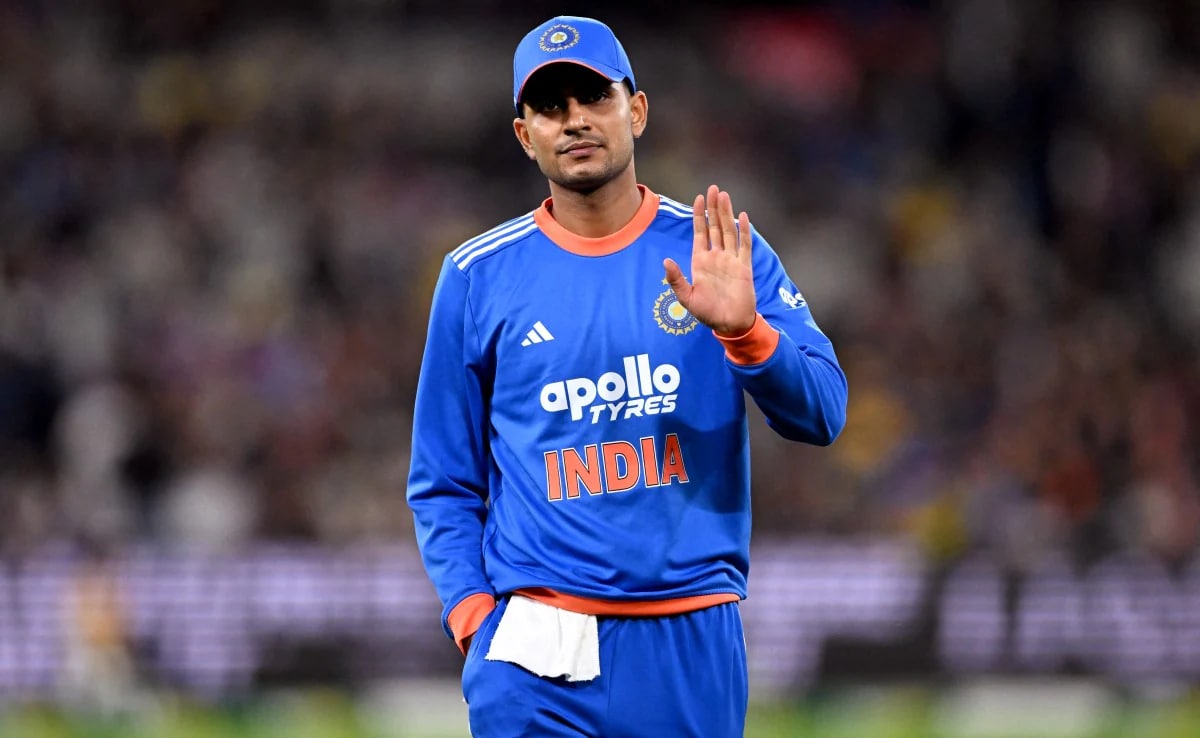
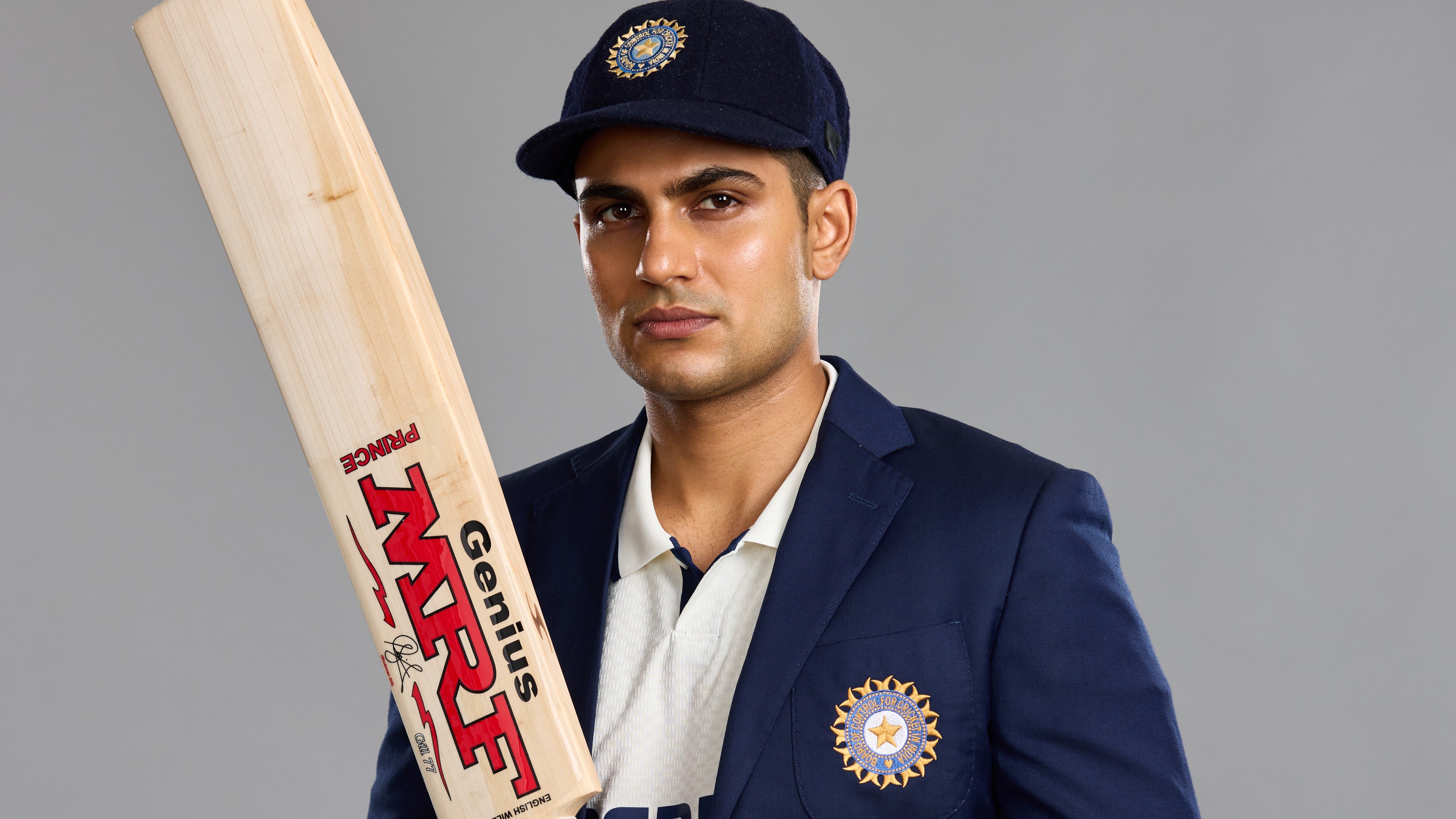

Being left out of a World Cup squad is usually a warning sign. In Shubman Gill’s case, it might just be a pause button—at least if you believe Michael Clarke. According to the former World Cup-winning skipper, Gill’s omission from India’s T20 plans is less about rejection and more about timing, with a bigger leadership role quietly waiting for him after the tournament.
It’s a prediction that sounds bold on the surface—but also exposes how complicated India’s T20 thinking has become.
A Shock Omission That Wasn’t Entirely Surprising
Gill missing out on the T20 World Cup squad raised eyebrows, but the numbers offer an uncomfortable explanation. Since returning from a highly successful Test tour of England, his T20 returns fell off a cliff—291 runs in his last 15 T20I innings. For a format that now demands instant impact, that’s not a dip; it’s a red flag.
With India overflowing with top-order options, the selectors—led by Ajit Agarkar—chose immediacy over reputation. From that narrow World Cup lens, the call was defensible.
World Cup Tunnel Vision and Short-Term Thinking
Clarke’s assessment is blunt: India didn’t drop Gill because they don’t believe in him. They dropped him because they didn’t have the luxury to wait. Warm-up games were meant to lock roles, not experiment with form.
That logic makes sense—but it also highlights a recurring issue with Indian selection: decisions are often framed as temporary, which creates long-term confusion.
If Gill is truly seen as the future T20 leader, why remove him entirely from the setup?
Captaincy After the World Cup: Vision or Convenience?
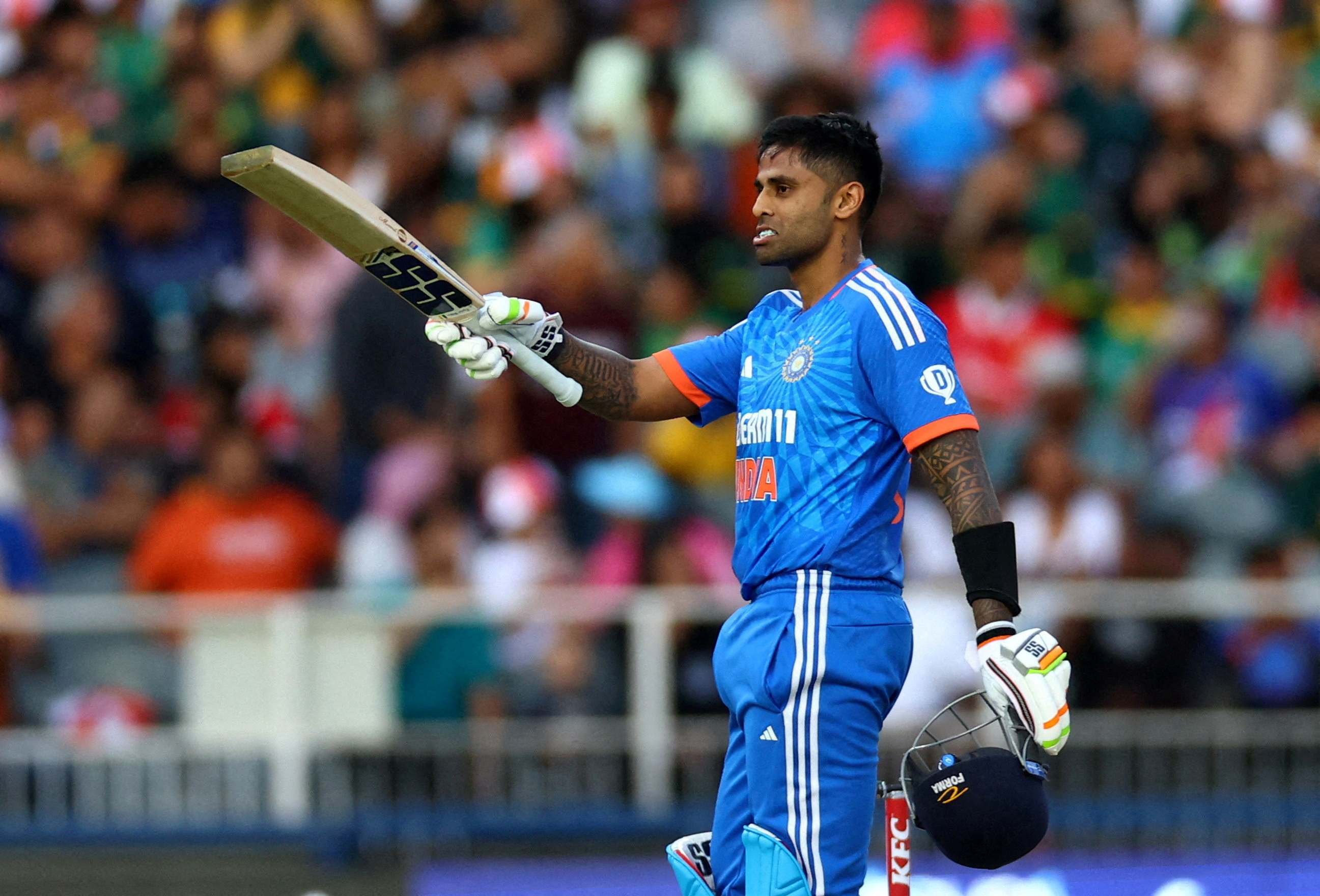
Here’s where the debate sharpens. Clarke believes Gill will not only return post-World Cup but also replace Suryakumar Yadav as T20I captain. The reasoning is familiar—India’s preference for leadership continuity across formats, Gill already captaining Tests and ODIs, and Suryakumar’s struggles with the bat.
But leadership isn’t a default promotion. Handing Gill the T20 captaincy immediately after dropping him for form risks sending a mixed message: performance matters—until it doesn’t.
Is T20 Leadership Being Treated Too Casually?
T20 cricket is not an extension of Test or ODI logic. It rewards specialists, not just all-format excellence. Gill is a generational talent, no doubt—but his T20 game is still evolving. Making him captain in the shortest format while his strike-rate questions remain unresolved could place unfair pressure on both player and team.
It also subtly undercuts Suryakumar, whose captaincy record in bilateral series has been strong, even if his batting hasn’t kept pace.
The Bigger Picture the BCCI Must Clarify
Clarke’s “don’t be surprised” prediction reveals more about India’s planning than Gill’s future. It suggests a pre-decided hierarchy, where leadership succession matters more than current form fits.
That approach might bring stability—but it risks rigidity.
If Gill returns as T20 captain without first re-establishing himself as a dominant T20 batter, India could repeat a familiar mistake: betting on potential leadership while hoping form follows.
Dropped for Now, Trusted for Later—A Risky Balance
Gill’s exclusion is not the end of the road. Far from it. But fast-tracking him back as T20I captain would need careful justification—not just faith.
Because in T20 cricket, authority isn’t inherited.
It’s earned—one explosive innings at a time.


Comments
Post a Comment